Bring in a single training where your clinicians need ground, or have one built around what they are actually working with. Every session pairs theory with live skills practice. Behind each one sits a complete eleven-part curriculum, available as a year-long series if you want the whole arc.
Bring a training to your practiceMost continuing education asks a clinician to sit still for three hours and leave with a handout. This is built differently. It assumes that the capacity to see the person beneath the symptom is not a gift some clinicians have and others don't, but a set of ideas and skills that can be taught in sequence and rehearsed until they belong to you.
Behind every training sits a curriculum built like a pyramid, rising from the assumptions a depth practice rests on, up through the structures of the mind, to the therapeutic relationship and what actually makes a person change. You don't have to take all of it. But because each training was cut from that whole, even one of them arrives with its ground underneath it. And because understanding a concept is not the same as being able to use one, every session turns from theory to practice: live role-plays with deliberate-practice criteria, where clinicians try the intervention, miss, and try again.
Bring in one training, a few, or something written for your particular clinicians. Nothing obliges you to take a year to get something out of it.
Every session turns from concept to rehearsal. Structured role-plays with explicit criteria, so clinicians leave having tried the skill rather than only having heard about it.
Rigorous psychoanalytic ideas translated into language clinicians can use on a Tuesday afternoon, and that clients can actually hear.
Every training is cut from a complete, sequential curriculum. Even a one-off carries that architecture rather than floating free as an unrelated workshop.
Any one of these can be booked on its own, and several can be combined into a sequence of your own making. They are written to stand alone, but they were also built to fit together, which is what keeps a single training from feeling like a workshop cut loose from anything.
Taken in order, they ascend: from the assumptions a depth practice rests on, up through the structures of the mind, to what actually makes a person change.
On the Unconscious Premises of a Depth Clinical Practice
The nine core assumptions beneath psychodynamic work: how early relationships shape us, the reality of unconscious life, symptoms as meaning, and the continuity of the normal and the pathological.
Reading the Vital Signs of the Psyche: Suffering, Health, and the Life of Affect
A psychodynamic model of what goes wrong and what health actually looks like, with McWilliams's markers of psychological well-being and skills for deepening emotional experience.
Five Lenses on the Inner World: Drive, Ego, Object, Self, and the Relational Turn
The five great theoretical models of the mind and what remains clinically alive in each when you sit with a real client.
The Architecture of Self-Protection: How the Mind Guards Against What It Cannot Yet Bear
The origins, function, and hierarchy of defenses, from primitive reflex to mature adaptation, and their diagnostic value in the room.
The Twelve Capacities of the Ego: Assessing the Machinery of a Functioning Mind
Twelve ego functions as a working map for assessing a client's capacities, suitability for depth treatment, and where the work will meet friction.
From Neurotic to Psychotic: Mapping the Structural Levels of the Self
The levels of personality organization, and the core structures that distinguish them: identity, object relations, defenses, and reality testing.
Character as Destiny: The Enduring Patterns of Relating and Being
Descriptive versus psychoanalytic diagnosis, the long history of character, and how enduring personality patterns organize a life.
The Grandiose and the Depleted Self: A Depth Study of Narcissistic Organization
Narcissism as a worked example: its developmental roots, the oscillation of grandiose and depleted self-states, and the countertransference it stirs.
Alliance, Transference, and the Real: The Three Threads of the Healing Bond
The working alliance, the transference relationship, and the real relationship: when each becomes the lens to work through, and the common misunderstandings of relational technique.
What Actually Happens in the Room: The Craft of Supportive and Expressive Technique
The principles and goals of psychodynamic therapy and the supportive-to-explorative continuum of interventions clinicians actually deploy, moment to moment.
How Therapy Heals: Change Through Knowledge, Experience, and Relationship
What actually transforms a person in treatment, and how insight, corrective emotional experience, and the relationship itself integrate into lasting change.
The Drama Cast into the Other: Projection, Containment, and the Unconscious Dialogue
A close study of projective identification as defense, communication, mode of object-relating, and engine of growth. It follows its three phases, concordant and complementary countertransference, and its life in both individual and couples work.
The first half is theory and conceptual grounding: the ideas, where they came from, and what they look like when a real client is in the room. The second half is structured skills practice: role-plays built around deliberate-practice criteria, where clinicians rehearse the specific move the training just taught, get feedback, and go again.
That structure holds whether a practice books one training or all of them. The curriculum runs to eleven core trainings plus a two-part advanced module, and you can draw on as much or as little of it as you need.
Group practices, agencies, training clinics, and associate cohorts who want to deepen how their clinicians formulate a case and what they do about it. It suits teams with a range of experience: earlier-career clinicians get a scaffold to build on, and seasoned clinicians get language and structure for what they have been doing intuitively for years.
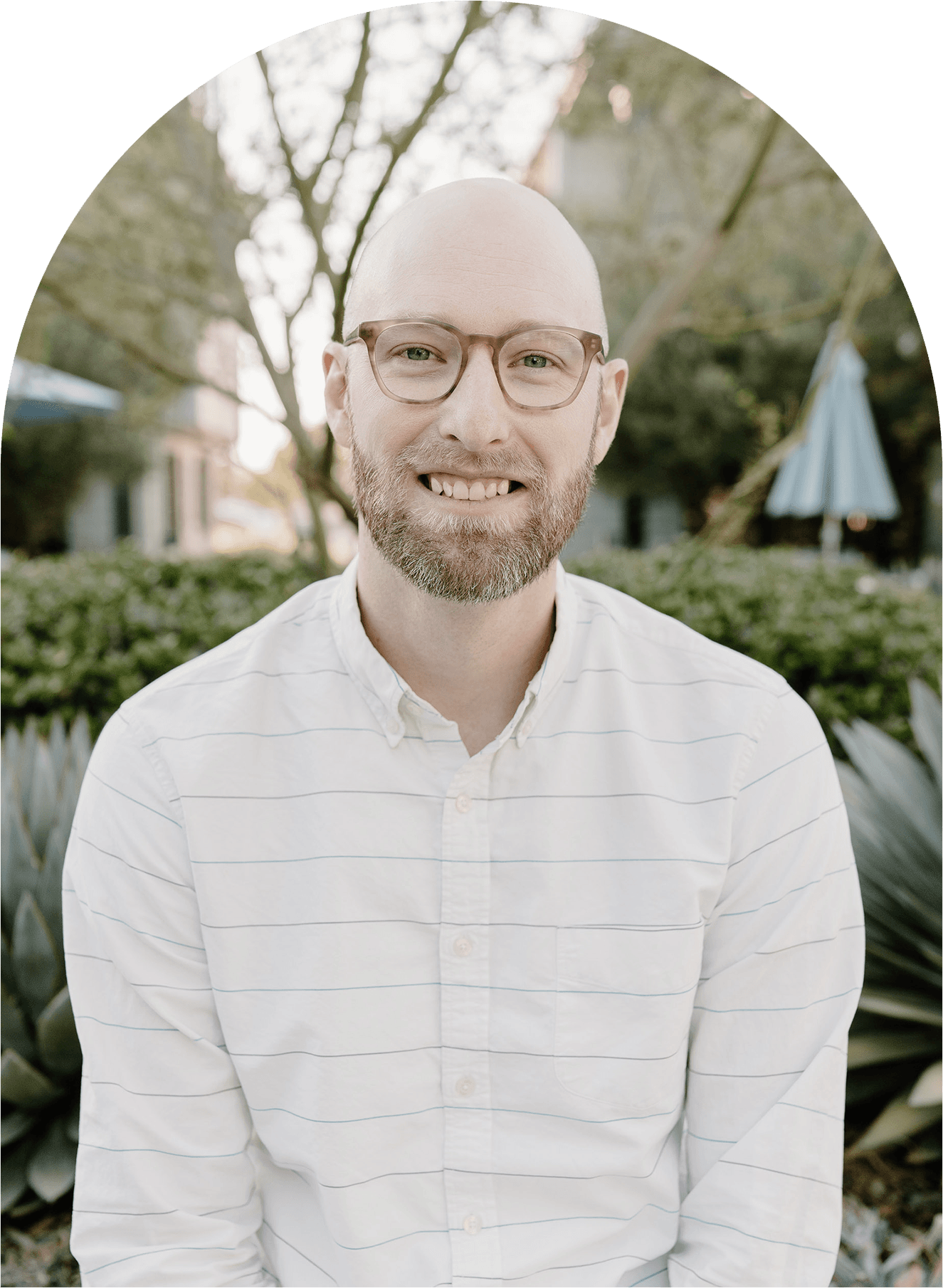
Kevin designs and leads this curriculum in his role as Director of Clinical Training at Forbes Individual & Family Therapy. He has practiced in Orange County for over a decade, working with individuals, couples, and teens from a depth-oriented, psychodynamic, relational, and trauma-informed lens.
He teaches the way he practices, slowly, with attention to what is happening beneath the surface of a case and between the people in the room. He isn't interested in shallow quick fixes, in the consulting room or the training room.
Tell me about your team: how many clinicians, where they are in their development, and what you want them to be able to do. Whether that turns into one training, a custom sequence, or the full year, we can scope it from there.

